Oct 16, 2026Process
How to Read a CNC Machining Quotation, Line by Line
Most CNC quotes hide the price drivers in plain sight. Learn to read a machining quotation line by line — and spot what is inflating your cost.

Introduction
Two quotes for the same drawing can differ by 300% — and the more expensive one is not always the better one. The difference is almost never in the part. It is in how the supplier split the price up.
This guide walks through a machining quotation the way a buyer should read it: what each line actually represents, which ones you can negotiate, and which ones tell you whether the supplier understood your part.
If your quotation is a single number with no breakdown, that is the first thing to fix — because a supplier who cannot explain the price usually cannot explain the schedule either.
The seven lines behind almost every CNC quote
1. Material and material certificate. Raw stock cost plus the cost of documenting it. If a material certificate (CoC) is required, it should appear here — not as a surprise surcharge later. Watch for quotes that name a vague grade like “stainless steel” instead of 304 or 316L; ambiguity here becomes a dispute later.
2. Setup and programming. One-time cost per operation. This is the line most sensitive to quantity: it is why a 5-piece order can look expensive per piece while a 500-piece order looks cheap. If you see the same setup charge repeated on multiple lines, ask whether the part really needs that many operations.
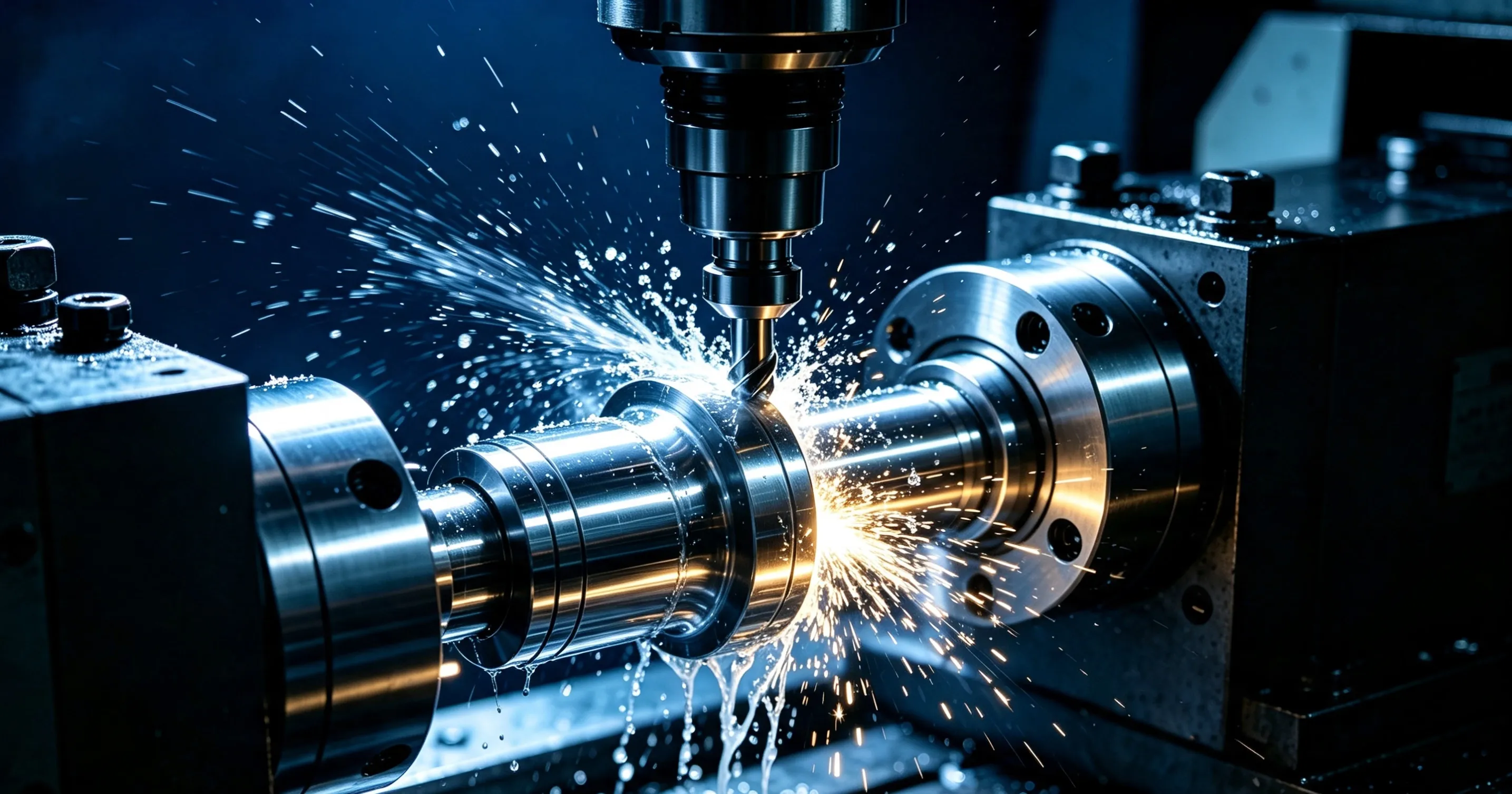
3. Machining time. The largest line on most quotations. It reflects geometry complexity, tolerance tightness, surface finish and material machinability — in that order. Tight tolerances and fine finishes cost time, and time is the price.
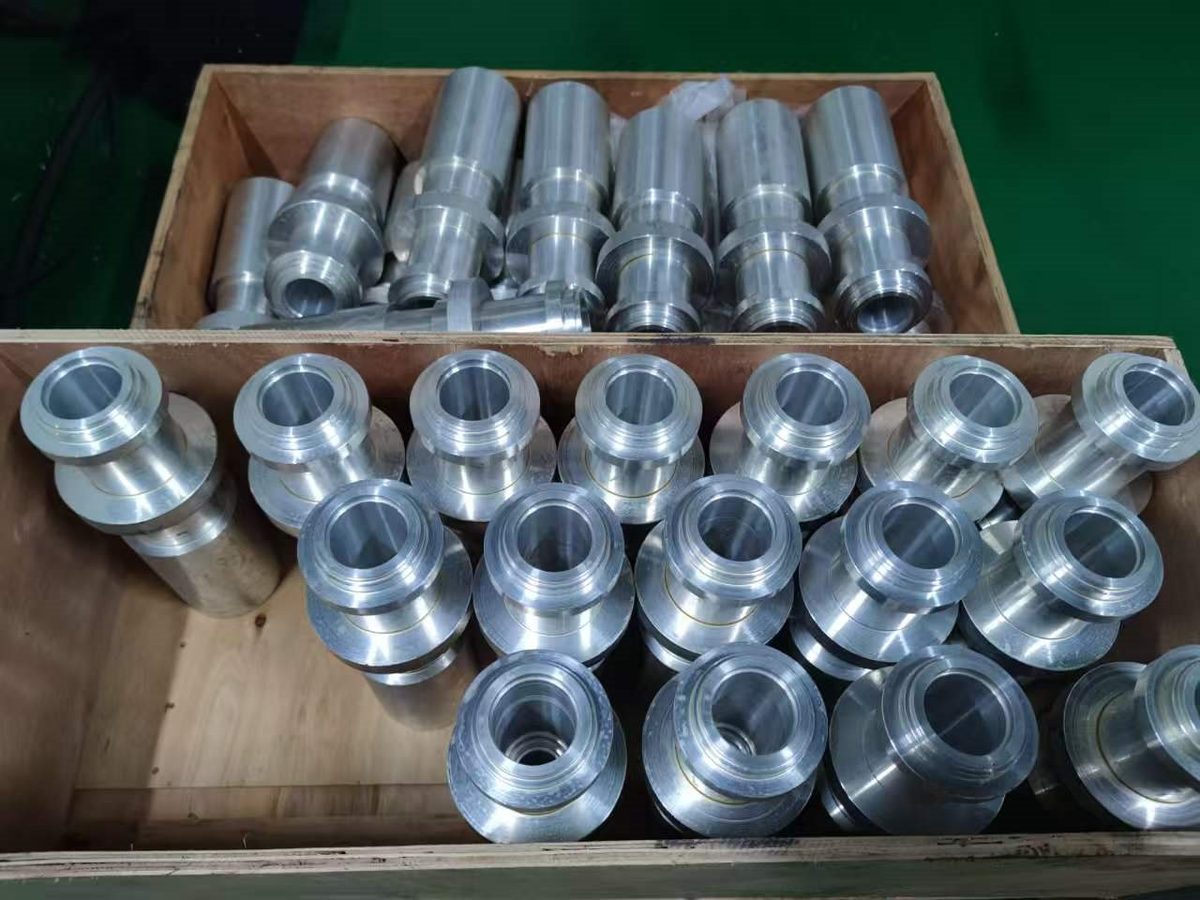
4. Surface treatment. Anodizing, plating, blasting, passivation — usually subcontracted, so it carries both cost and lead time. This line often reveals whether the supplier noticed your finish callouts at all: a quote that ignores “Ra 0.4” or “Type III hard anodize” is not cheaper, it is incomplete.
5. Inspection and documentation. FAI, CMM reports, CoC. On critical parts this is a real cost — machinist time plus metrology time. A suspiciously low price with a CMM report promised on every part is worth questioning. A supplier who quotes inspection properly is telling you the report is real.
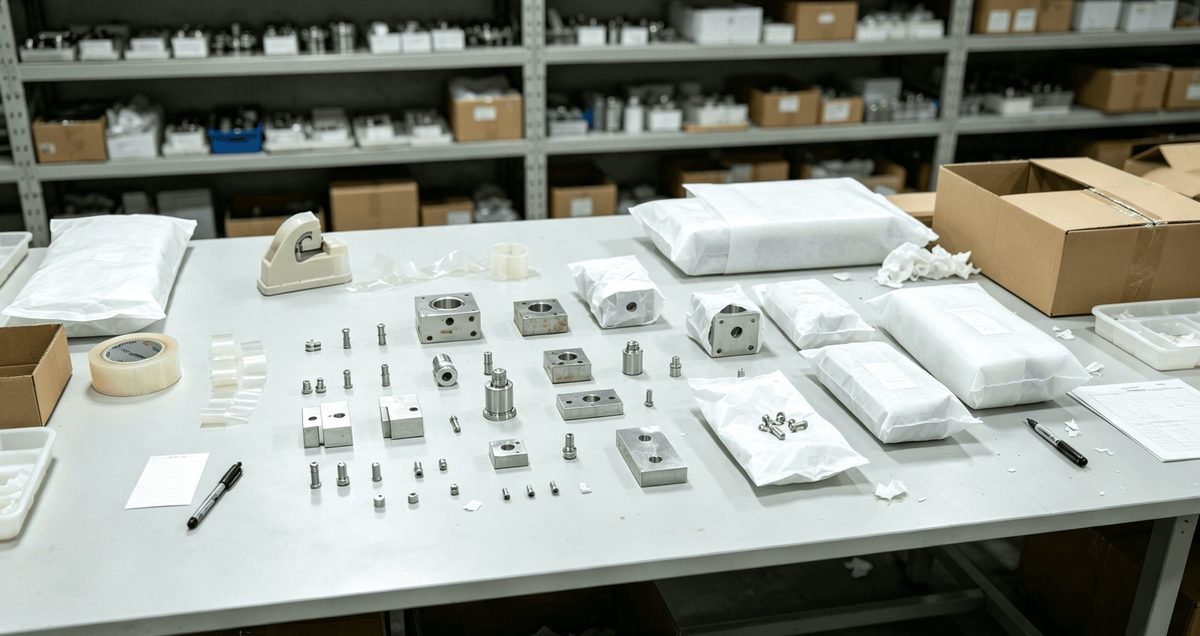
6. Packaging. Easy to overlook, expensive to get wrong. Anodized and polished parts need protection for ocean freight. If packaging is missing from the quote, it will appear as damage later.
7. Freight and terms. Air, rail or sea — plus Incoterms (EXW, FOB, DDP) and payment terms. A quote without Incoterms cannot be compared against another quote at all.
The questions to ask when a line looks wrong
“Which tolerances are driving this price?” — A supplier who can name the two or three expensive features has actually reviewed your drawing. One who cannot has just estimated.
“What would this cost if I relaxed this finish on the non-functional faces?” — A good supplier already flagged this in the DFM notes. A passive one will now.
“What is the setup cost per additional piece at 5x quantity?” — This single question tells you whether you are paying for setup or for machining, which is exactly the information you need for a quantity decision.
“Is there a tooling or fixturing charge, and do I own it?” — Custom fixtures are sometimes charged once and reused on repeat orders. Ask before you assume.
Five red flags in a quotation
One total price with no breakdown — the supplier is guessing, or passing through a subcontractor's number.
No Incoterms stated — the number is not comparable with any other quote.
Material grade not specified — no material traceability planned.
Finish and tolerance callouts not mentioned — the drawing was not read; expect nonconformance.
Lead time quoted without a start condition — “15 days” from when? From payment, or from material arrival?
What a quotation from a factory that documents its work looks like
Expect an itemized breakdown with material grade, setup, machining, finishing, inspection (FAI / CMM / CoC with material certificates), packaging, freight option and Incoterms — plus a short DFM note pointing out the features that cost the most and the cheaper alternatives.
Practical summary
Material — ask whether an equivalent grade could reduce cost.
Setup and programming — ask how the unit price moves at 3x and 5x quantity.
Machining time — ask which features drive it; the answer is usually two or three.
Surface treatment — ask whether non-functional faces really need the fine spec.
Inspection — agree where FAI, CMM and CoC are actually required, and where sampling is enough.
Packaging — confirm ocean-freight protection for anodized and polished parts.
Freight and terms — compare quotes on the same Incoterm, or not at all.
Your next step
Send your drawings and get an itemized, explained quotation — not just a number. Idar Tech in Dongguan, China (ISO 9001:2015, tolerances to ±0.005mm, CMM and FAI reports with 100% inspection on critical parts) returns a free DFM review within 24 hours and prototypes in as fast as 3-5 days.