Oct 6, 2026Process
How to Choose a CNC Machining Supplier in China
How to vet a precision CNC machining supplier in China: read tolerance claims, demand FAI/CMM reports, check ISO 9001:2015, materials and lead times. A practical 9-question checklist for engineers and
Introduction
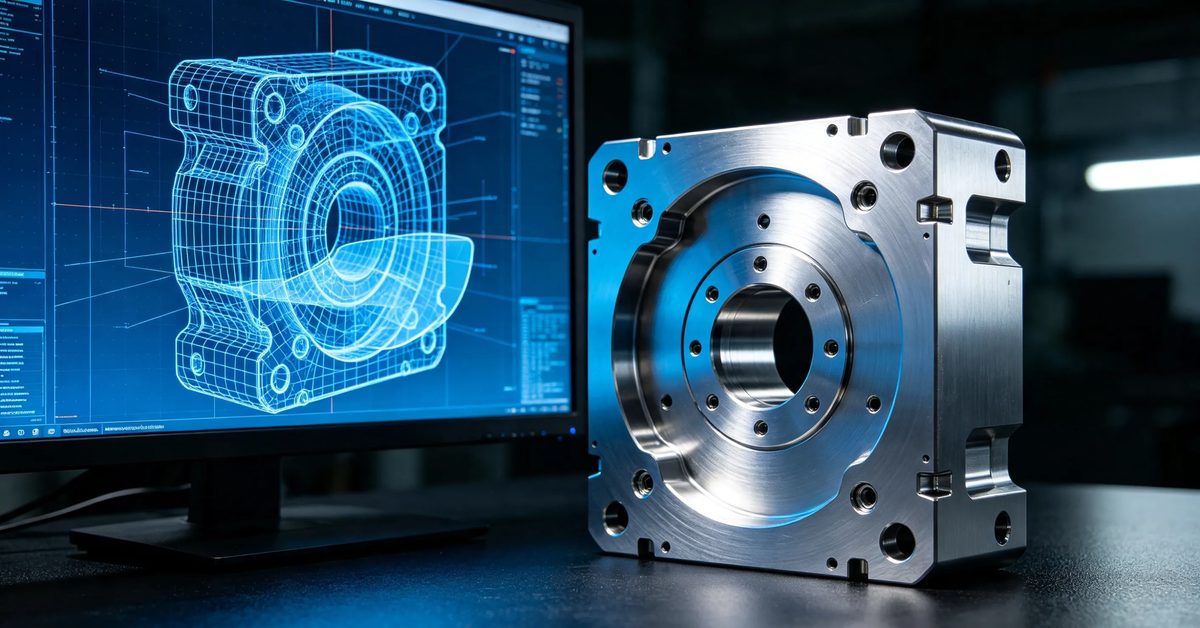
A part that looks perfect on a CAD screen can fail on the assembly line. When you source precision machined parts from China, the difference between a smooth project and a costly re-run usually comes down to one thing: how well you vetted your machining supplier before sending the drawings.
This guide gives you a practical 9-question checklist — the same questions experienced procurement engineers ask — plus the answers a reputable precision machining factory should be able to give you on the spot.
What "precision" really means: read tolerance claims carefully
Every factory claims precision. The number to ask for is the standard holding tolerance versus the best achievable tolerance.
A well-equipped CNC machining factory can typically hold:
Standard machining tolerances: ±0.01mm to ±0.05mm
High precision: up to ±0.005mm, depending on geometry
If a supplier quotes "±0.005mm" as their everyday standard, ask which machines and what inspection equipment back that up. Precision without measurement is marketing.
The 9 questions to ask before sending your drawings
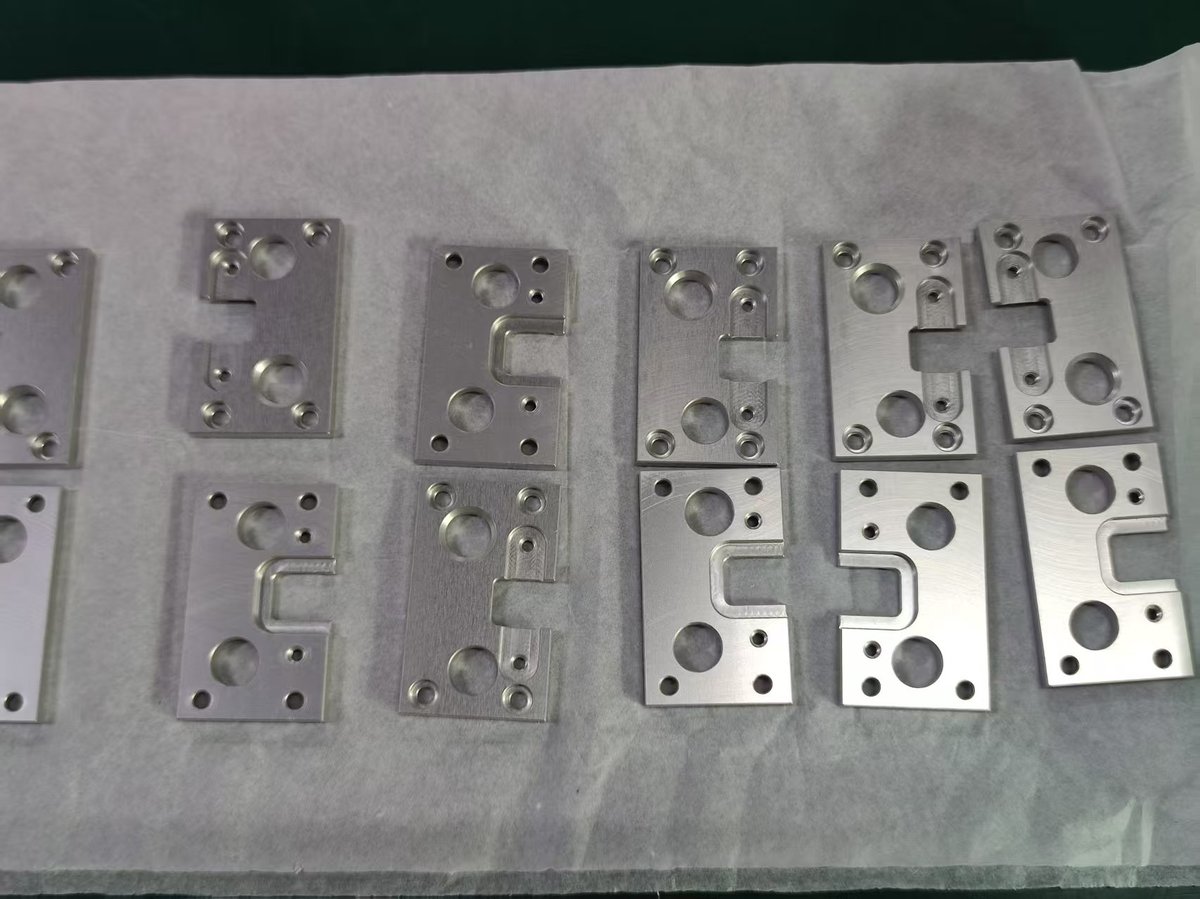
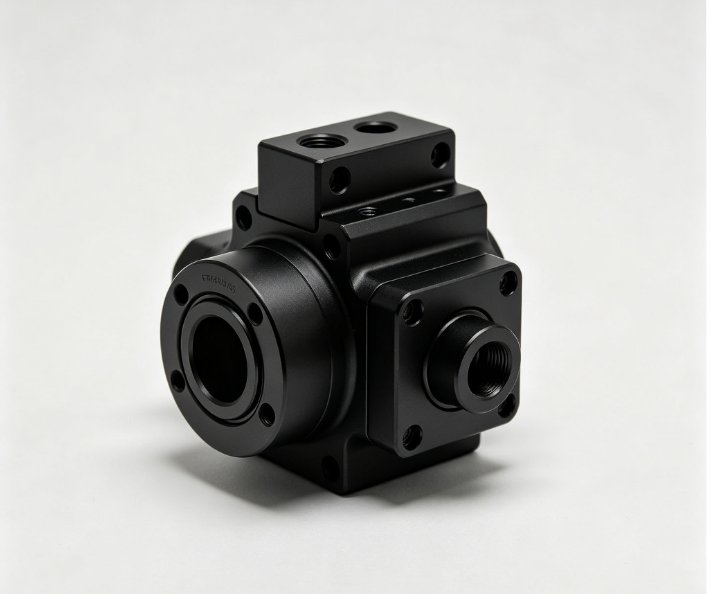
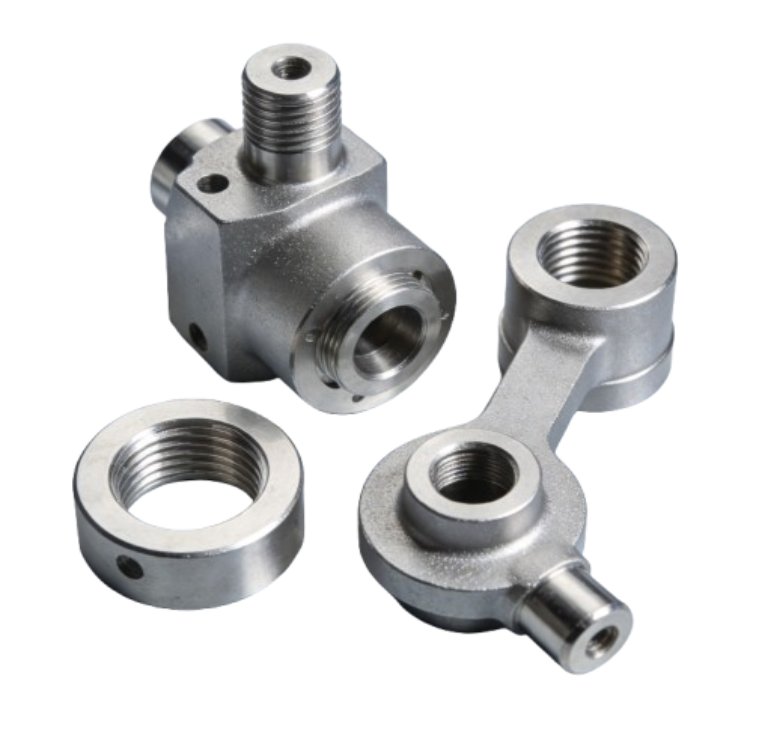
1. What processes and equipment do you run? Look for a real spread: CNC turning, CNC milling (3/4/5-axis), Swiss lathe machining, Wire EDM, grinding, drilling and tapping in-house. If a factory only does milling and outsources turning, quality control and lead times get harder to manage.
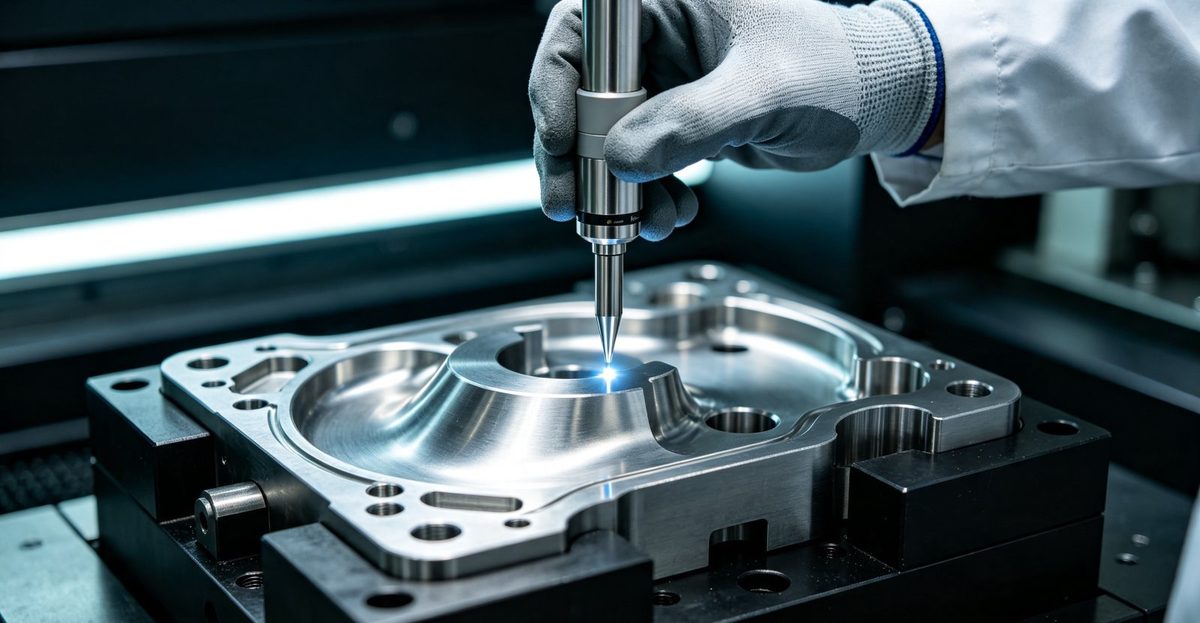
2. How do you control tolerances? Ask who is responsible for geometry verification and how they report it. A serious supplier will have a dedicated quality department with metrology equipment such as a CMM, and will quote their inspection routine for your part.
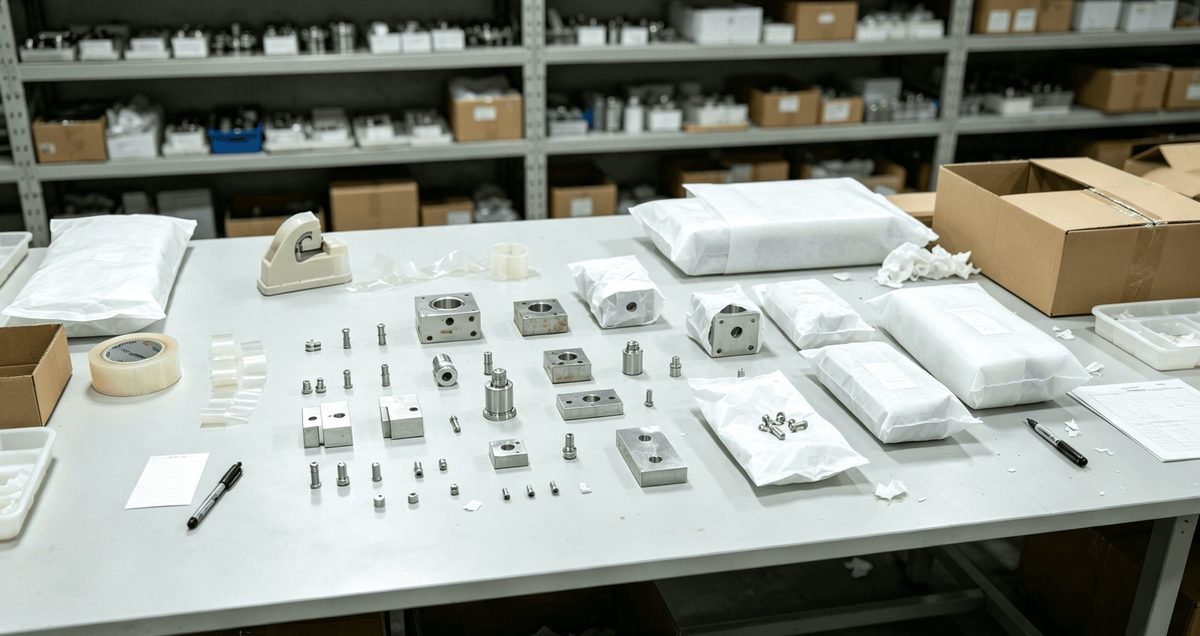
3. What documents ship with the parts? At minimum: 100% inspection before shipment, First Article Inspection (FAI) reports, CMM reports, and Material Certificates (CoC) confirming the alloy or plastic grade. If the supplier cannot produce these, the "precision" claim is unsubstantiated.
4. Is the quality system certified? For the machining of precision mechanical parts, ISO 9001:2015 certification is the baseline. Ask to see the certificate — and check the scope statement and validity dates, not just the logo.
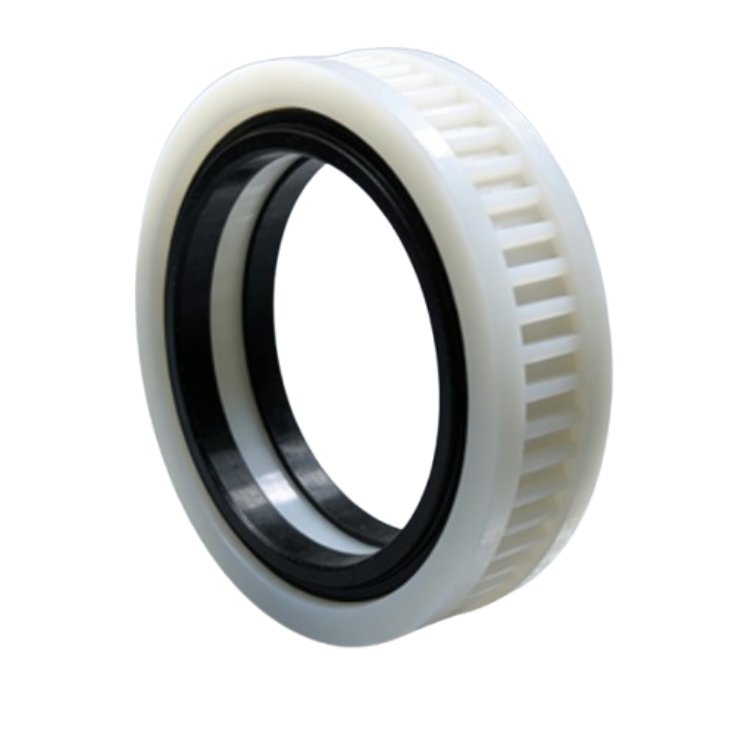
5. Can they machine your material? A broad material library matters more for you than for them: aluminum (6061-T6, 7075-T6, 6063, 5052, 2024), stainless steel (303, 304, 316L, 416, 420), tool steel, brass & copper (3602-H, C11000), titanium (Grade 2/5), and engineering plastics such as POM, PEEK, PA6/66, ABS, PC, PTFE, PMMA. If the material is exotic, ask about sourcing and certificates early.
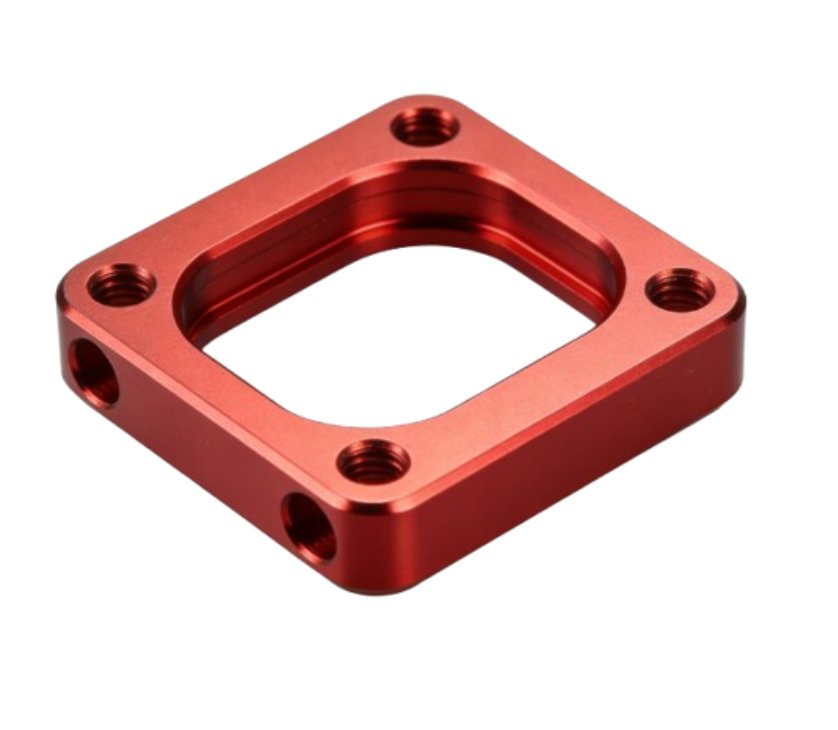
6. What surface finishes do they control in-house or through a vetted supply chain? Anodizing (clear, black, color, hard Type II/III), plating (nickel, zinc, gold, silver, chrome), powder coating, Teflon coating, sandblasting/bead blasting, polishing, brushing, passivation, laser engraving and heat treatment — the more of these the factory can broker with consistent documentation, the fewer vendors you manage.
7. What is the realistic lead time? For a factory running proper agile lines, expect rapid prototypes in 3-7 days and mass production in 2-4 weeks depending on quantity and complexity. Anything faster demands a question — and anything much slower may mean they have no available capacity.
8. What is the MOQ? A prototype-friendly factory works from 1 piece. If a supplier demands a volume MOQ before quoting, they are not set up for engineering-driven, custom work.
9. How do they protect your IP? Ask for NDA-willingness and how drawings are handled. A factory with a formal IP-protection policy will sign before you send files.
What a quotation from a serious supplier should include
A Design for Manufacturability (DFM) review of your drawing — before any metal is cut
A transparent, itemized quote within 24 hours of receiving CAD files
The inspection documents you will receive with the parts (FAI, CMM, CoC)
Delivery terms from a single point of contact who understands GD&T
If the response is a one-line price with no DFM comments and no inspection plan, treat it as a red flag.
Choose an engineering-led factory
The practical criterion: will their engineers discuss your geometry with you? Precision machining of one-off and custom non-standard components is an engineering service, not a catalog. The supplier you want reviews designs for manufacturability, raises cost-saving suggestions, and flags tolerances that are unnecessarily expensive before quoting.
Your next step
Send your CAD files to a qualified supplier for a free DFM review — for example, Idar Tech in Dongguan, China (ISO 9001:2015, certificate no. 04625Q5780R001, scope: production of precision mechanical parts). Expect a transparent, itemized quote within 24 hours, a manufacturing partner that inspects 100% of shipments, and a signed NDA before your drawings leave your desk.