Oct 19, 2026Process
How to Order Batch Machined Plates That All Fit
A batch of machined plates is only as good as its worst piece. Datum schemes, in-process checks and 100% inspection keep every plate interchangeable.
Introduction
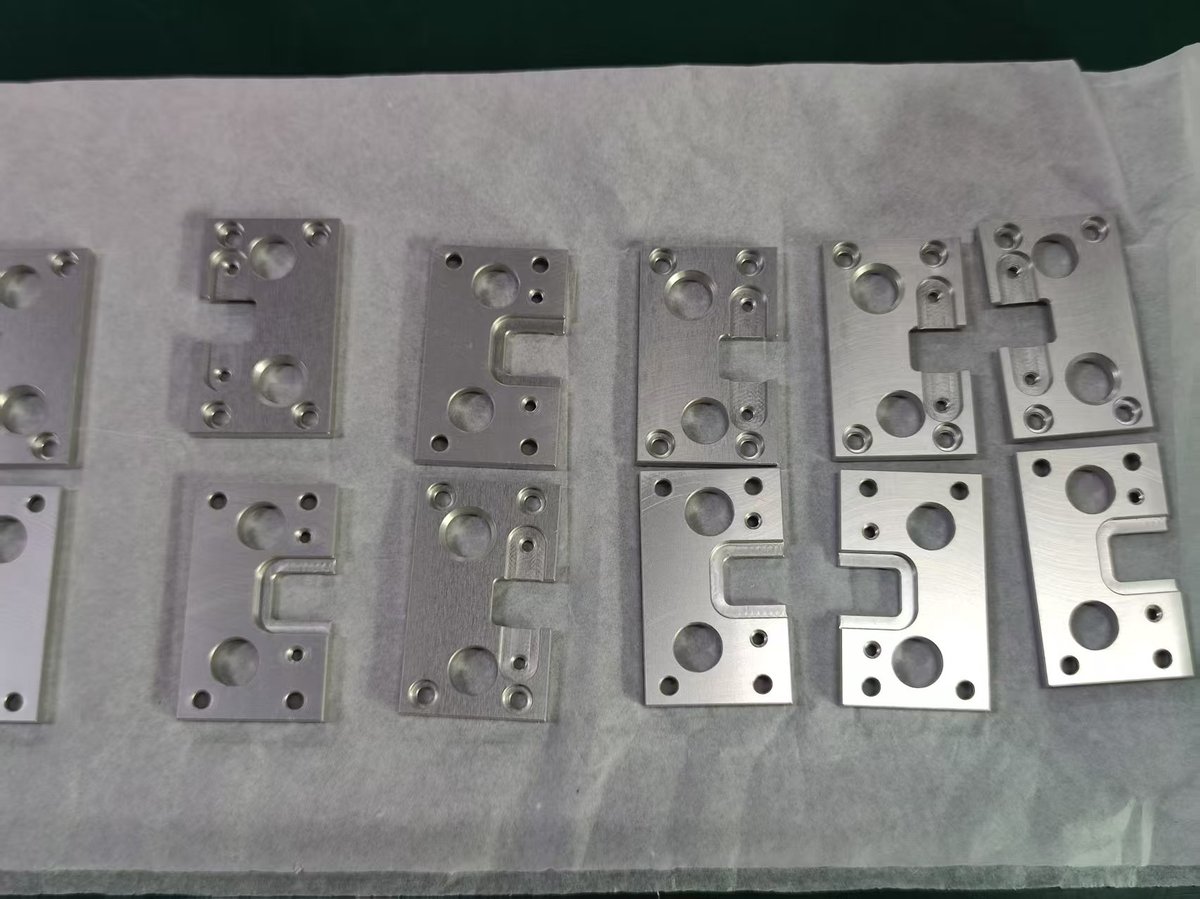
Machined plates look like the simplest parts in a fixture system — flat, rectangular, a pattern of holes. Then batch 2 arrives and the dowels do not drop in. Plate batches fail on interchangeability, and interchangeability is decided by things that never make it onto most quotes.
Here is what actually decides whether 500 machined plates all fit — and what to ask for before you order the batch.
Where plate batches go wrong
Three failure modes cover most rejects: flatness drift on thin plates (stress released after machining), hole positions measured from unclear references (each plate measured from a different edge), and finish inconsistency across the batch (anodizing thickness eating a tight bore).
None of these show up in a single-piece sample. They are batch properties — which means they need batch-level process controls, not just a good first article.
Datums first: put the scheme on the drawing
State the datum scheme. Every hole and pocket on the plate should be dimensioned from a stated datum scheme — usually one edge and one adjacent edge, or a datum bore plus a datum face. When the drawing leaves references ambiguous, the shop picks its own, and two plates measured from different corners can both "pass" while never matching each other.
If you are not sure which references matter for your assembly, ask for a DFM comment at quotation — it costs nothing and settles the question before metal is cut.
Material and stress relief
6061-T6 is the default plate alloy. For thicker plates with aggressive pocketing, stress-relief annealing (or starting from stress-relieved plate stock) prevents the bowing that shows up after the pockets are cut. This is a specification you should request explicitly for plates over roughly 20mm with deep pockets.
In-process checks between operations
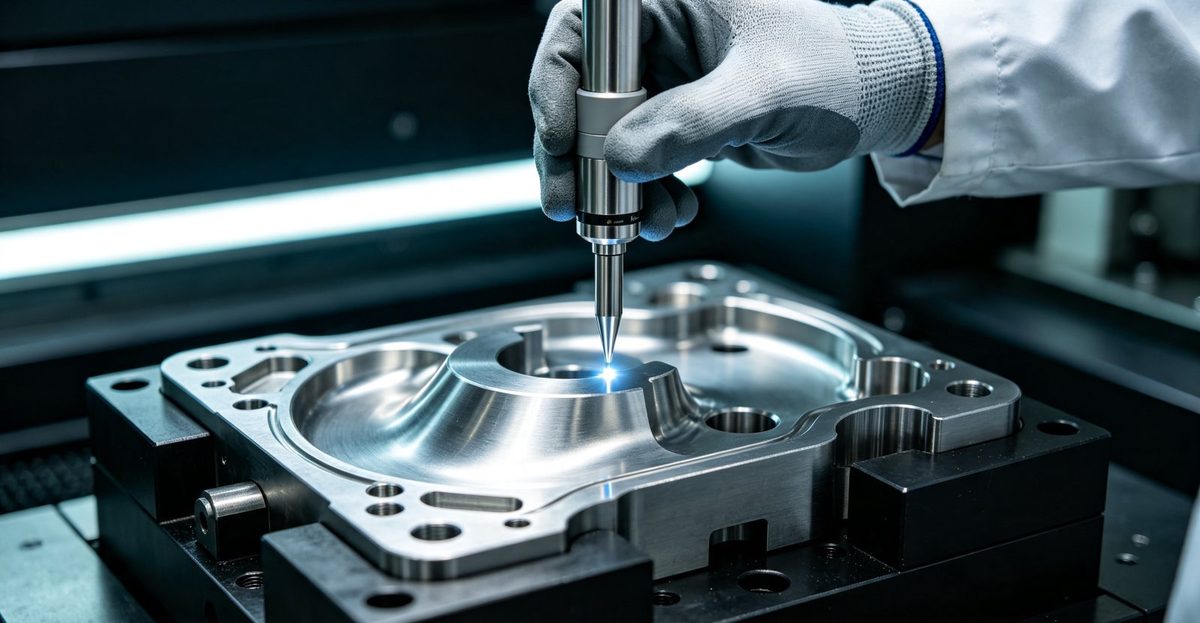
The inspection that matters happens between operations: bore positions verified after the first op on every pallet, flatness re-checked after roughing. Final inspection alone catches rejects after the labour is already spent — in-process checks catch the drift while it is still one part.
100% inspection on the criticals
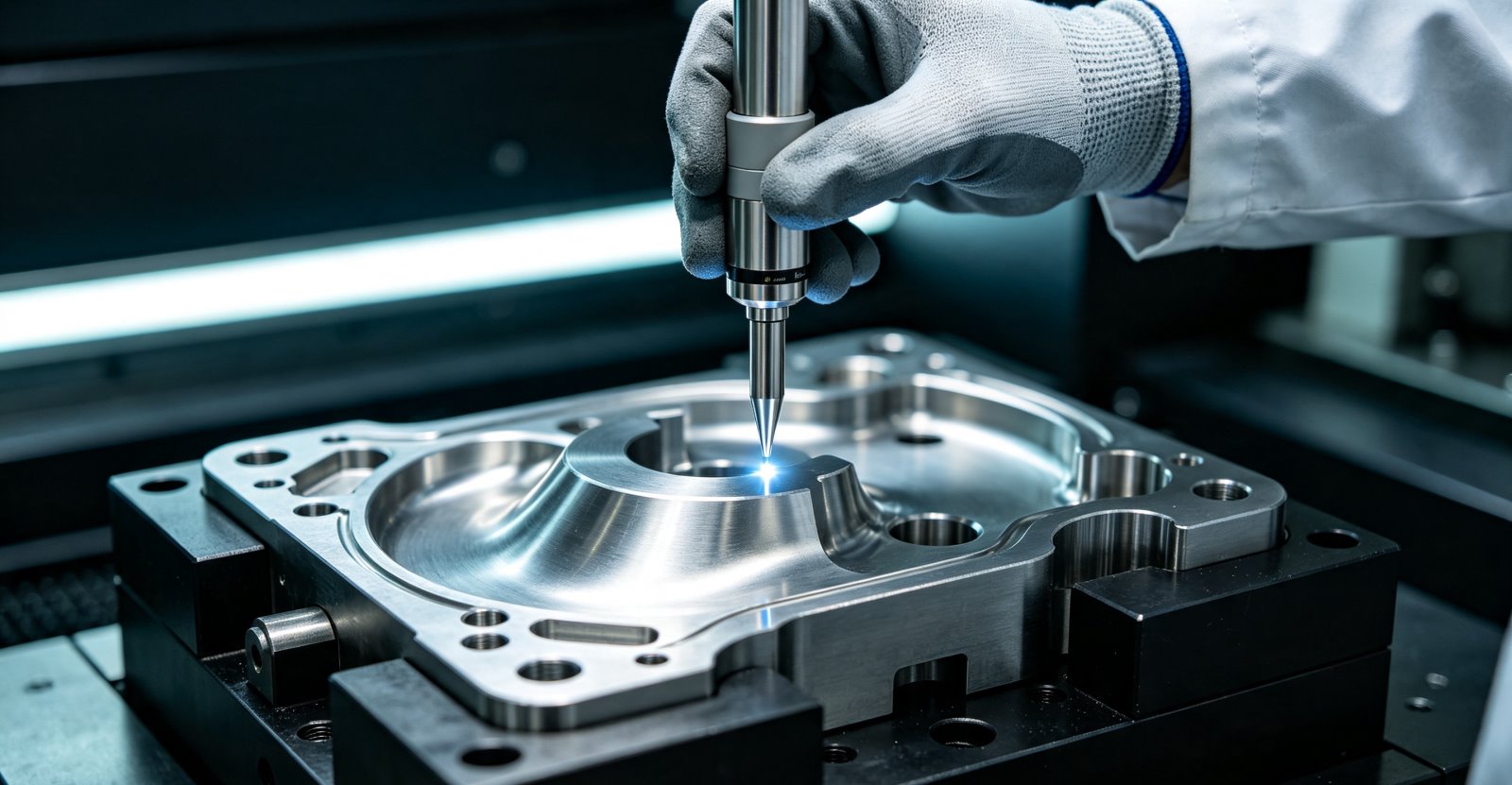
For batches, agree on a short list of critical features — the dowel bores, the datum faces, the pocket depths that locate your components — and require 100% inspection with recorded values on those features. Everything else can sample. A CMM report per lot keeps the evidence with the parts.
Packaging: protect the edges
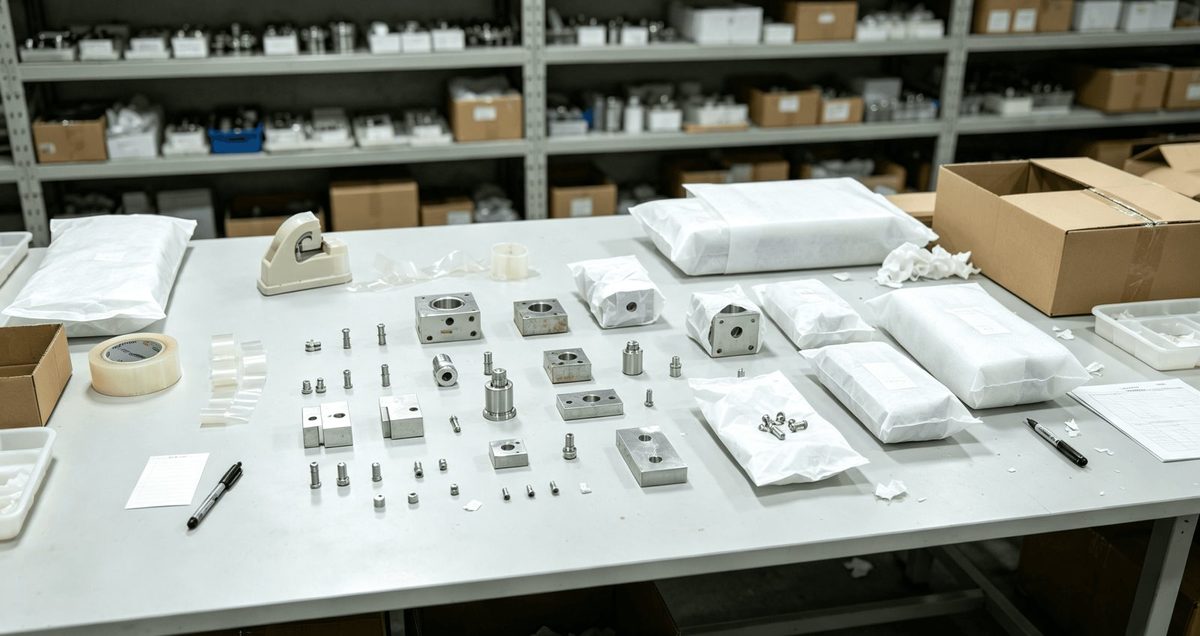
Machined plates arrive scratched or their anodizing arrives marked more often than they arrive out of tolerance. Interleaved packing with edge protection is a line item worth having on the quote — ask what the default packing includes.
Practical summary
Datums — put the reference scheme on the drawing before quoting.
Stress relief — specify it for thick, deeply pocketed plates.
In-process — critical features checked between operations, not only at the end.
Batch proof — 100% inspection with recorded values on the critical short list.
Packing — edge protection and interleaved layers for finished faces.
Your next step
Send your plate drawing with the datum scheme marked and the batch quantity. Idar Tech in Dongguan, China (ISO 9001:2015, FAI and CMM reports with 100% inspection on critical features) returns a free DFM review and an itemized batch quotation within 24 hours.