Oct 6, 2026Process
CNC Machining Materials Guide: Aluminum, Stainless, Titanium and Engineering Plastics
How to choose the right material for CNC machined parts — aluminum, stainless steel, titanium, brass or engineering plastics like POM, PEEK and PTFE. Property- and cost-focused guidance for engineers
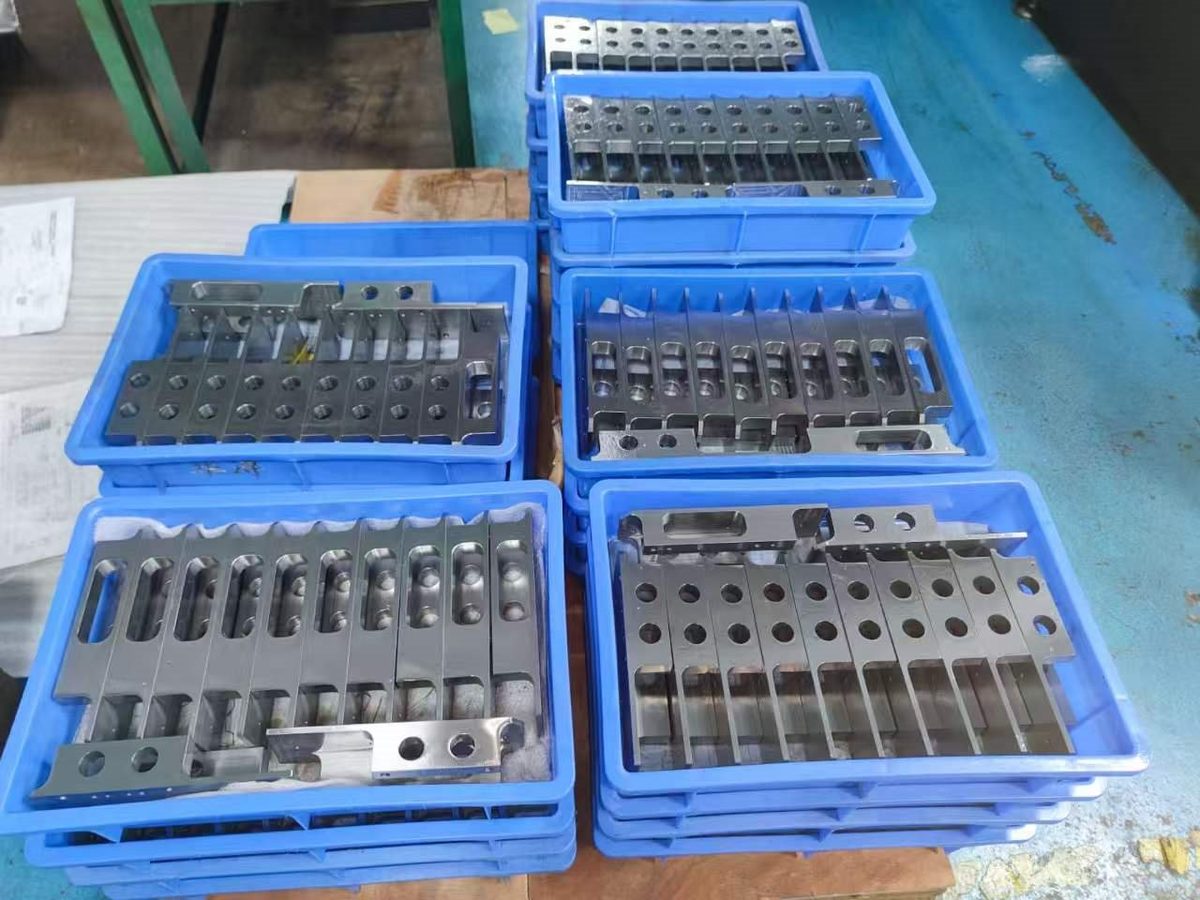
The machine shop can cut almost any material you name — the real question is which material your part actually needs. Choose by function first: how it will be loaded, where it will live, what it must resist, and what it costs to machine.
This guide walks the practical material set for custom precision parts — metals and engineering plastics — with the properties that actually drive selection.
How to think about material choice
Start with four questions:
Mechanical load — strength, stiffness, fatigue and wear
Environment — corrosion, chemicals, temperature, moisture, vacuum
Weight and conductivity — density matters for moving parts; thermal and electrical conductivity matter for electronics and heat management
Finish requirements — some materials take anodizing or plating beautifully; others do not
Only after these four are answered does price become the deciding factor.
Metals quick guide
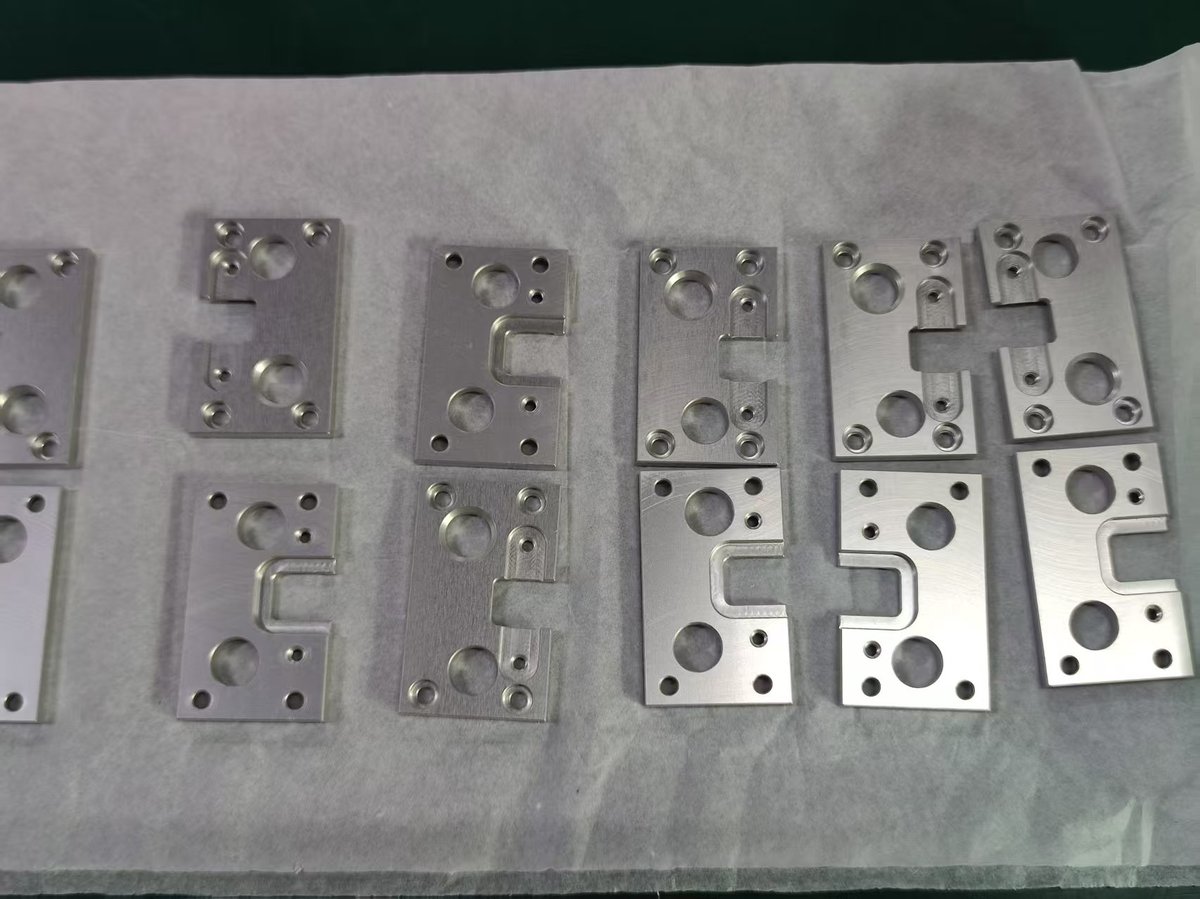
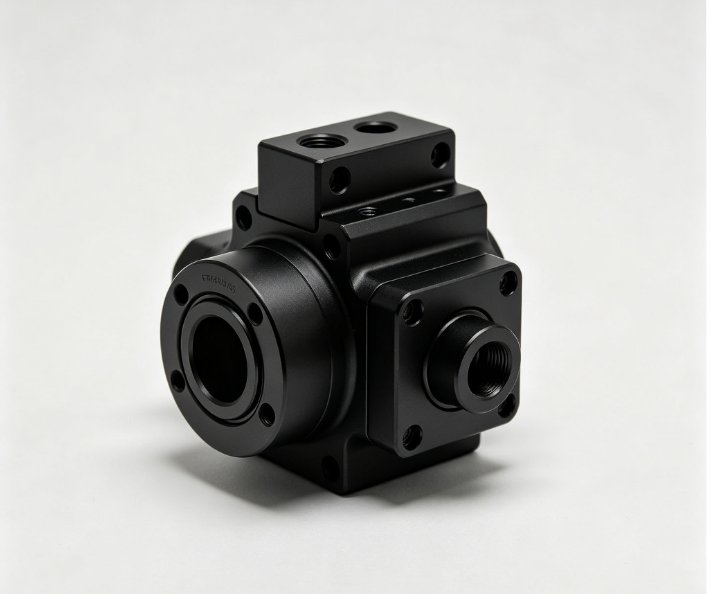
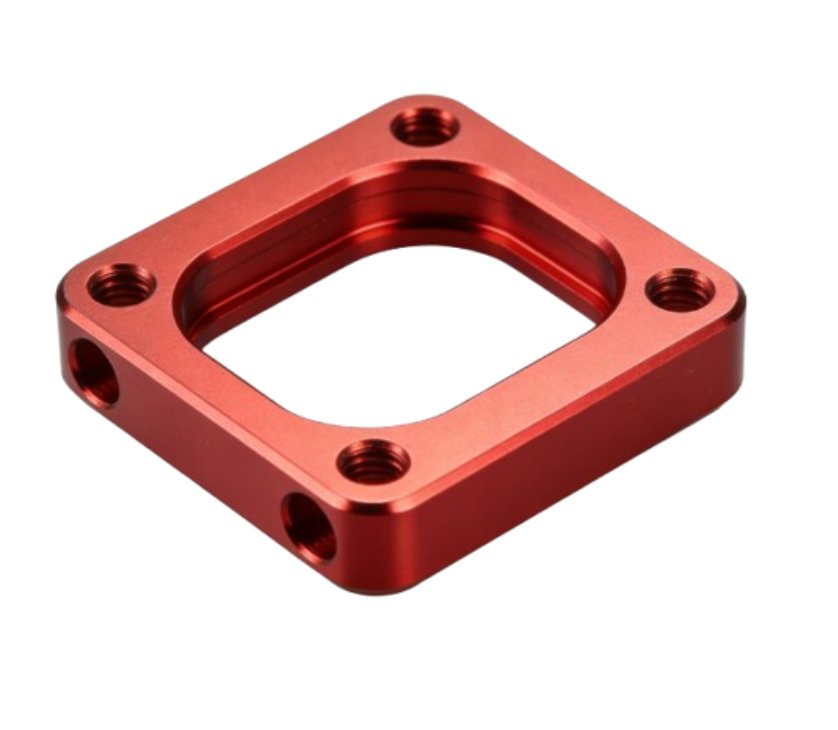
Aluminum (6061-T6, 7075-T6, 5052, 2024, 6063). The workhorse of custom parts. Light, machinable to fine tolerances, and ready for anodizing — clear, black, color and hard anodizing (Type II/III). Choose it for housings, enclosures, heatsinks, frames and structural brackets.
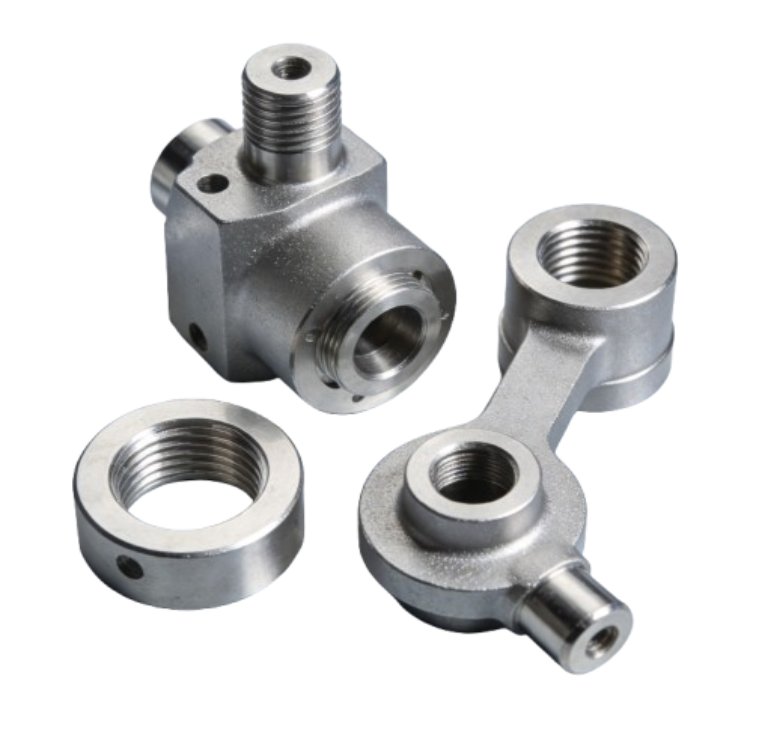
Stainless steel (303, 304, 316L, 416, 420). Corrosion resistance plus strength. The go-to for shafts, pins, bushings and precision components exposed to moisture or cleaning environments. 316L where the environment is more aggressive.
Titanium (Grade 2/5). The strength-to-weight specialist. Lightweight and corrosion-resistant — a natural choice for aerospace and medical devices, at a higher cost and slower machining.
Brass & Copper (3602-H, C11000). Excellent machinability and unique properties: copper carries heat, brass alloys thread cleanly and pair naturally with gold or nickel plating — common in electrical contacts, connectors and heat-managed parts.
Carbon and tool steels. For hardened, wear-resisting components and tooling; where hardness is required, heat treatment (quenching/tempering) is typically part of the process.
Engineering plastics
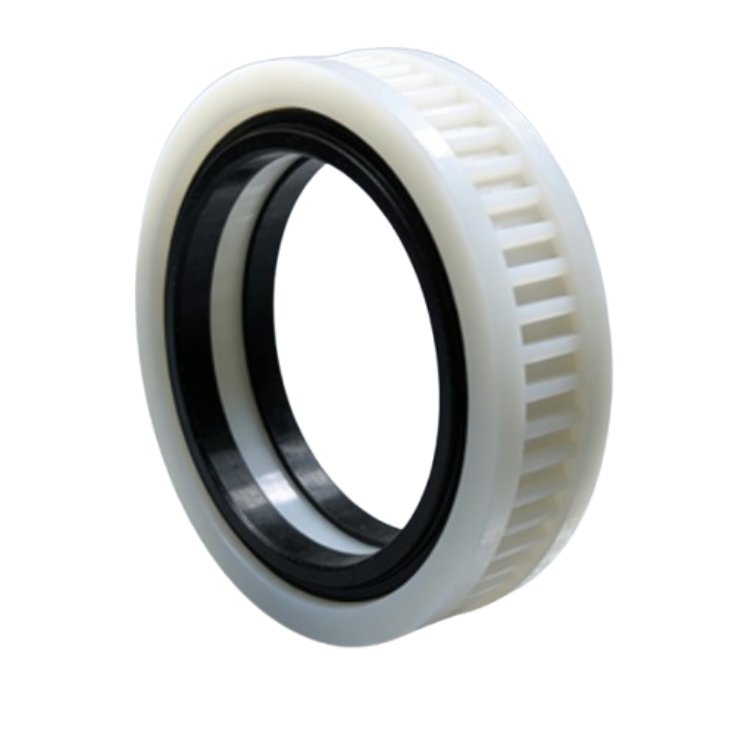
POM (Delrin/Acetal). The most-machined engineering plastic. Low friction, excellent wear resistance, stable dimensions — gears, rollers, spacers and bearing components. Black POM is standard for opaque parts (like the food-machine gears we machine).
PEEK. The high-performance option: excellent chemical resistance and high-temperature capability — used where metals would be too heavy or where chemical contact rules out other plastics. Machined dry with the right tooling strategy.
PTFE (Teflon). Chemical resistance and low friction first. Sealing rings, valves and bearing pads — a favorite in chemical-processing applications.
Nylon (PA6, PA66), ABS, PC (polycarbonate), PMMA (acrylic), PVC. Everyday engineering and enclosure plastics: PA for wear parts and washers, ABS/PC for electronics housings, PMMA for transparent parts, PVC where chemical and flame properties matter.
Surface finishes are part of the material decision
A material's performance is only half the story. Available finish options in-house and through a vetted supply chain:
Anodizing — clear, black, color, hard anodizing (Type II/III) for aluminum
Plating — nickel, zinc, gold, silver, chrome
Coating — powder coating, painting, Teflon coating
Others — sandblasting (bead blasting), polishing, brushing, passivation, laser engraving, heat treatment
If your part needs anodizing, choose aluminum; if it needs gold plating on contacts, brass or copper; if it lives in chemical environments, PTFE or passivated stainless. The finish that "looks right" in a rendering is a process decision — decide the finish first, then the material.
Machinability and tolerance reality
Two honest caveats where precision claims meet material science:
Plastics move. POM and nylon swell and relax with moisture and temperature. Achieving fine tolerances on plastics requires stable parts — sections thin enough to hold geometry — and the shop should be upfront about what is realistically holdable per geometry.
Titanium is slow. Strong and stubborn at the same time; expect longer machining times and correspondingly higher cost for complex titanium parts.
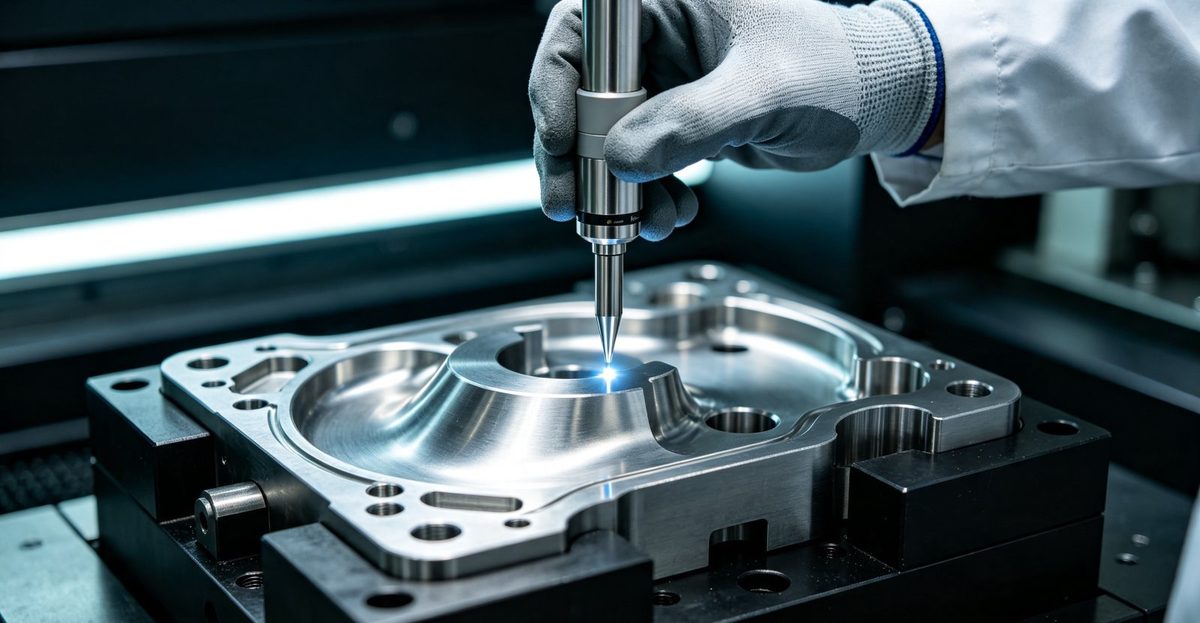
The standard tolerance band for CNC machining is ±0.01mm to ±0.05mm, with high precision up to ±0.005mm depending on geometry — but on every material, tolerance is a machining-and-measurement conversation, not a quote line.
Surface finish grades that matter: as machined (Ra 3.2), smooth (Ra 1.6), polished (Ra 0.8), mirror polish (Ra 0.4 or better).
Practical rules of thumb
If you need anodizing → aluminum
If you need electrical contact + plating → brass or copper
If it flexes or runs → POM or nylon, or aluminum/titanium for strength
If it seals against chemicals → PTFE or passivated stainless
If it carries heat → copper or aluminum
If it must be flawlessly hard → steel + heat treatment, ground to finish
What to send the supplier
Your material decision is easiest when the shop can react to it — send:
The drawing with material callout and finish on it (aluminum 6061-T6 + black anodize, or POM black)
The 3D file (STEP/IGS or native CAD) plus a 2D drawing (PDF/DWG/DXF)
Any special notes: chemical exposure, temperature, vacuum, cleanliness
The supplier then confirms machinability, flags geometry that fights the material, and quotes with the right process— DFM review first, itemized quote within 24 hours, MOQ from 1 piece.
Your next step
Send your drawing with your material thinking — a capable shop will push back where it matters. Idar Tech in Dongguan, China (ISO 9001:2015) machines the full set above: aluminum, stainless, titanium, brass, copper, POM, PEEK, PTFE and more, with tolerances to ±0.005mm, CMM-verified inspection, and a free DFM review within 24 hours of receiving your CAD files.