Oct 19, 2026Industry
Custom Machined Gripper Jaws: What to Specify
Gripper jaws are small parts that stop whole lines. What to specify — material, geometry, finish and batch consistency — before ordering machined fingers.
Introduction
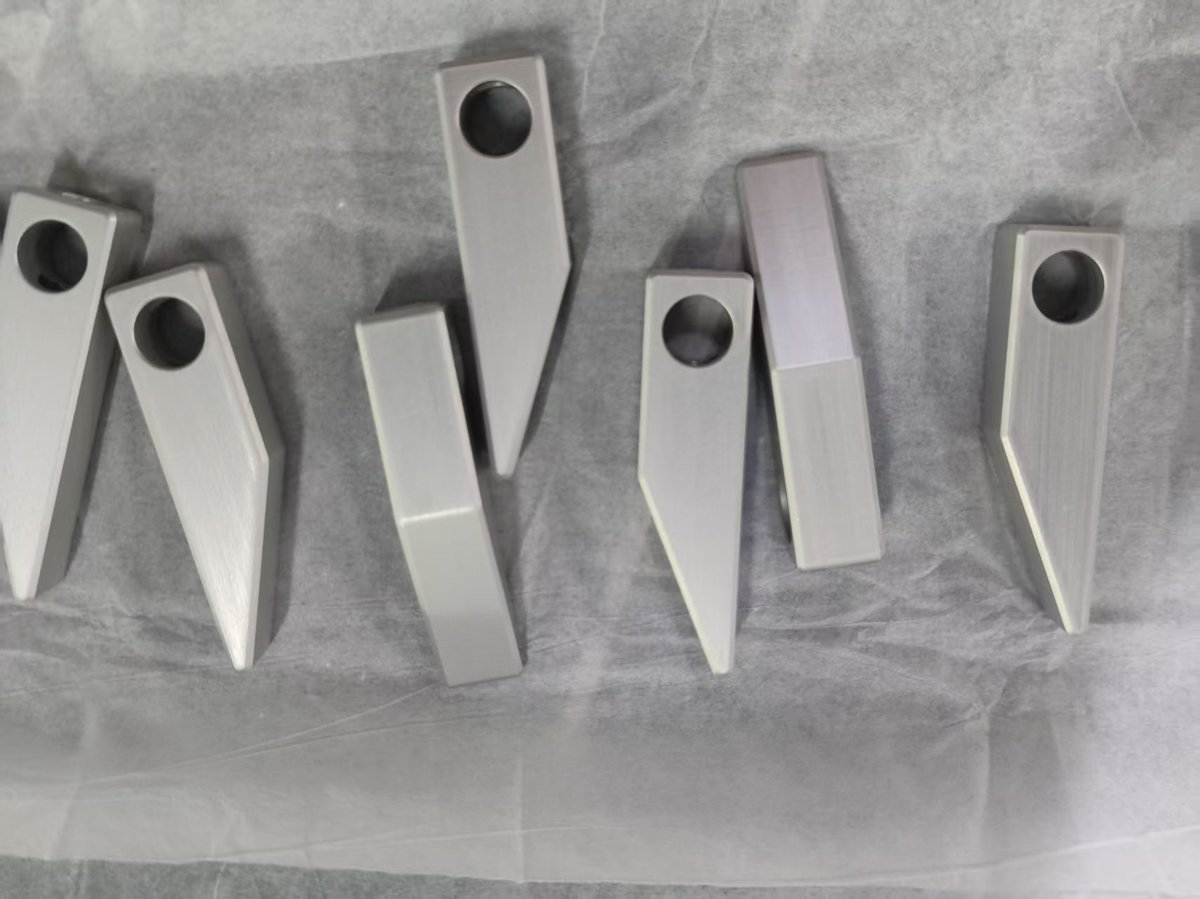
Gripper jaws are the smallest parts on an automation line with the biggest stoppage cost. They are custom by definition — every gripper, every part family, every cycle count is different — and when one wears out or cracks, the station waits.
This guide covers what to specify before ordering machined gripper jaws and clamping fingers, so replacements drop straight in and last as long as the sales page promised.
Material: weight, washdown or wear
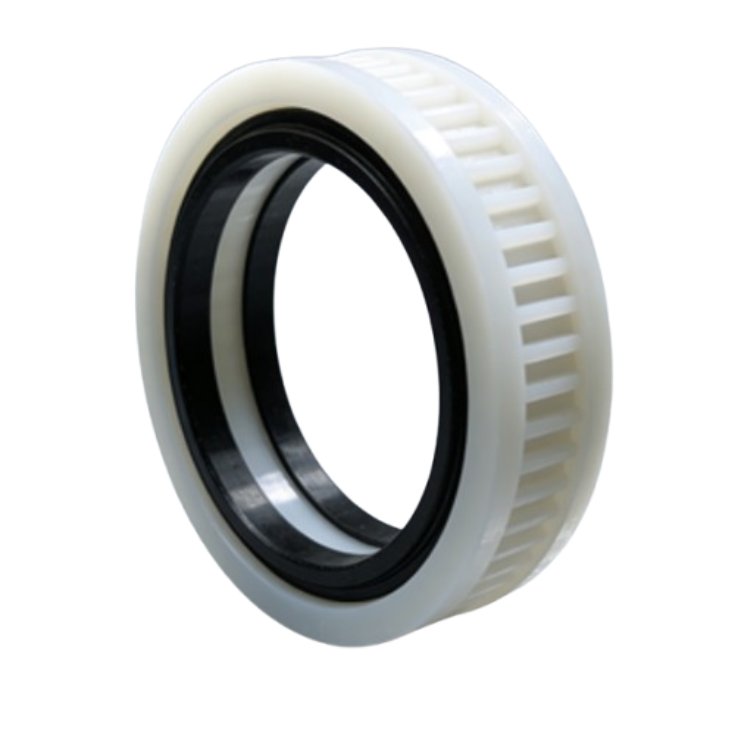
Material choice. Most jaws start as 6061-T6 aluminium — light, fast to machine, anodizes well. Move to 7075 when the jaw is thin and loaded. Stainless 316L earns its cost in washdown and corrosive environments. Add machined POM or Delrin pads where the jaw touches finished surfaces directly.
The trade-off. The trade to state on the drawing: weight matters on fast cycles, corrosion matters in wet lines, and surface hardness matters wherever the jaw contacts parts at speed.
Geometry: symmetry, bores and datum faces
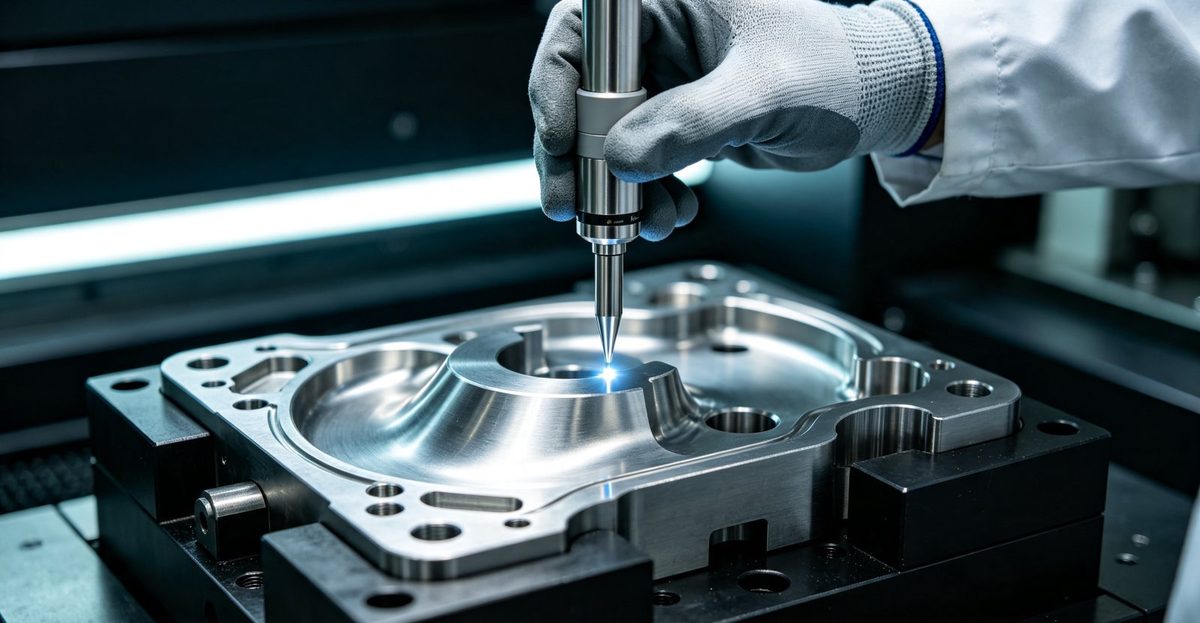
Gripper jaws almost always work in mirrored pairs. Specify the bore that locates the jaw on the gripper as a fitted feature (H7 is common), and give the jaw a stated datum face — the surface the gripper closes against. Without a datum, a perfect jaw can still mount half a millimetre off.
The pointing or contour geometry that touches your product should carry its own tolerance — and it is worth stating which faces actually touch product and which are just structure. Only the touching faces need tight bands.
Surface: anodizing and grip texture
Clear or black anodizing protects aluminium jaws; hard anodizing extends wear life on high-cycle lines. Where the jaw must grip without marring, a machined cross-hatch or pressed-in POM pads do the work — say which you want on the drawing.
Batch consistency: FAI, then 100% on criticals
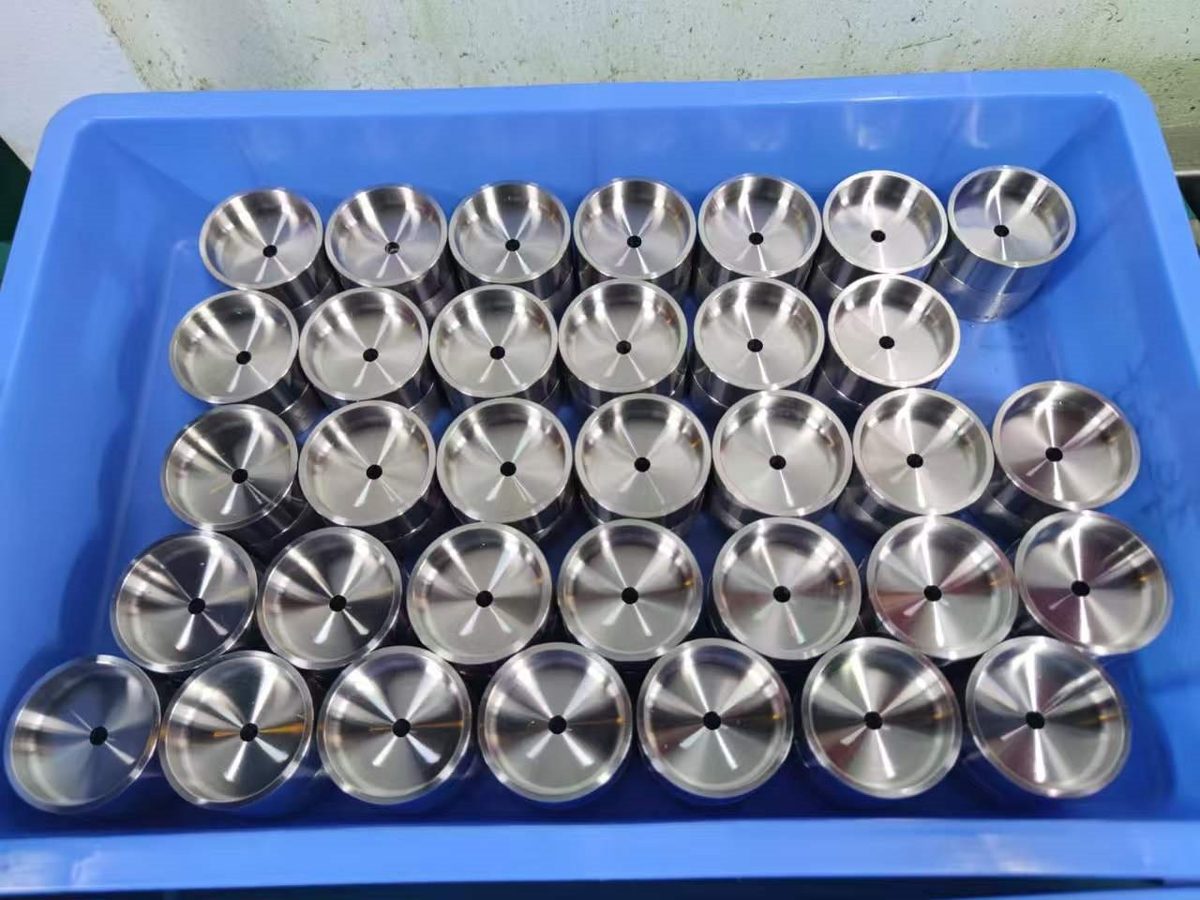
One perfect jaw proves nothing. The question is whether number 500 matches number 1: same bore size, same mirrored geometry, same anodizing tone. Our rhythm is FAI approval on the first article, then 100% inspection of critical features on the production batch — so replacements drop straight in years later.
Replacement rhythm: plan the spares order
Because jaws are small and setup-dominated, unit price falls fast with quantity. A sensible spares policy: order the wear set now with the precision set — MOQ is 1 piece, prototypes in 3-7 days, so a line-down emergency later costs days instead of weeks.
Practical summary
Material — 6061/7075 for weight, 316L for washdown, POM pads for product contact.
Geometry — fitted locating bore, stated datum face, tight bands on product-touching faces only.
Finish — anodizing for protection, hard anodizing for wear, texture or pads for grip.
Batch — FAI approval then 100% inspection of critical features.
Your next step
Send the worn jaw (or its drawing) plus your cycle count. Idar Tech in Dongguan, China (ISO 9001:2015, tolerances to ±0.005mm, FAI and CMM reports with 100% inspection on critical features) returns a free DFM review and an itemized quote within 24 hours — MOQ from 1 piece.