011
Moving-part durability
Hard anodizing and electroless nickel on sliding and rotating interfaces — thickness controlled so bores stay in tolerance after finishing.
Coating thickness controlled
Robotics & Automation Industry
Joint output yokes, eccentric shafts, end-effector adapters and precision linkages — dimensionally stable, hard-anodized where parts move, documented end to end.
Typical Components
Joint hardware, motion components and tooling interfaces that must repeat — batch after batch.
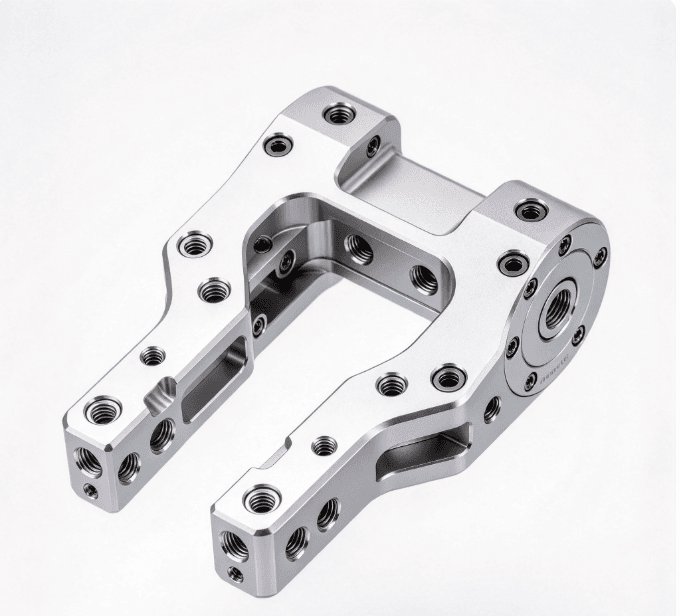
Clevis geometry with true bearing bores and parallel jaw faces.
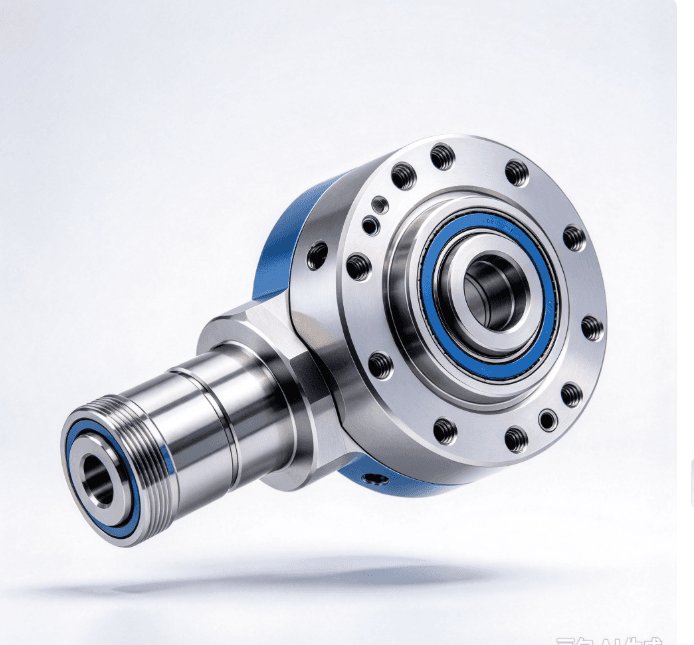
Multi-diameter eccentric geometry with runout controlled on datum centres.
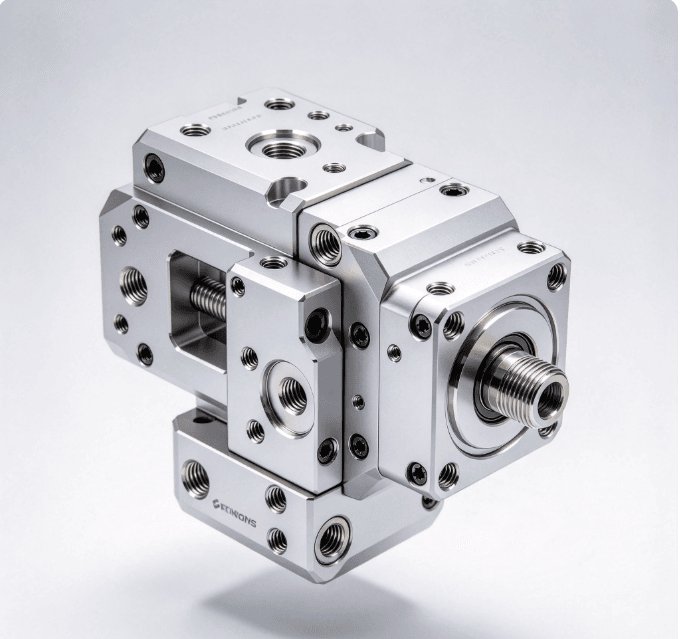
Multi-face adapter plates and blocks with dowel and thread networks held square.
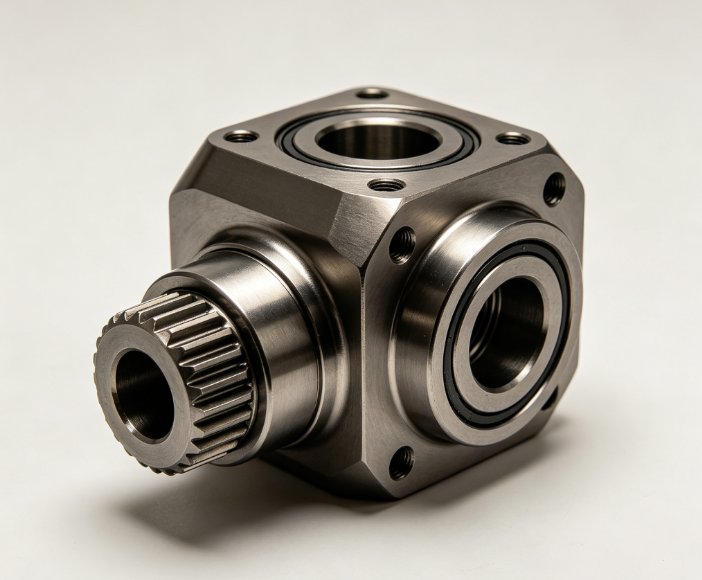
Hard anodizing and electroless nickel for sliding and rotating interfaces.
Requirements
A robot repeats a motion ten thousand times. Your machined parts have to survive every one of them.
Hard anodizing and electroless nickel on sliding and rotating interfaces — thickness controlled so bores stay in tolerance after finishing.
Stress-relief annealing after rough machining for thin-walled yokes and arms, so geometry holds through assembly cycles.
Bore-to-bore positions and jaw faces measured on datum centres to ±0.005mm where the kinematics need it.
First article approval, then in-process checks and 100% inspection of critical features on production runs.
Sourcing Notes
What robotics and automation buyers usually confirm with us.
Request a Quote
Free DFM review within 24 hours — flagging the tolerances that drive cost, the finishes that survive your duty cycle, and a clear per-batch price.
Prototypes and production on the same documented process.
FAI approval, then 100% inspection of critical features.
Your mechanism designs stay confidential.